Keep a Commonplace Notebook for the Books You Actually Want to Remember
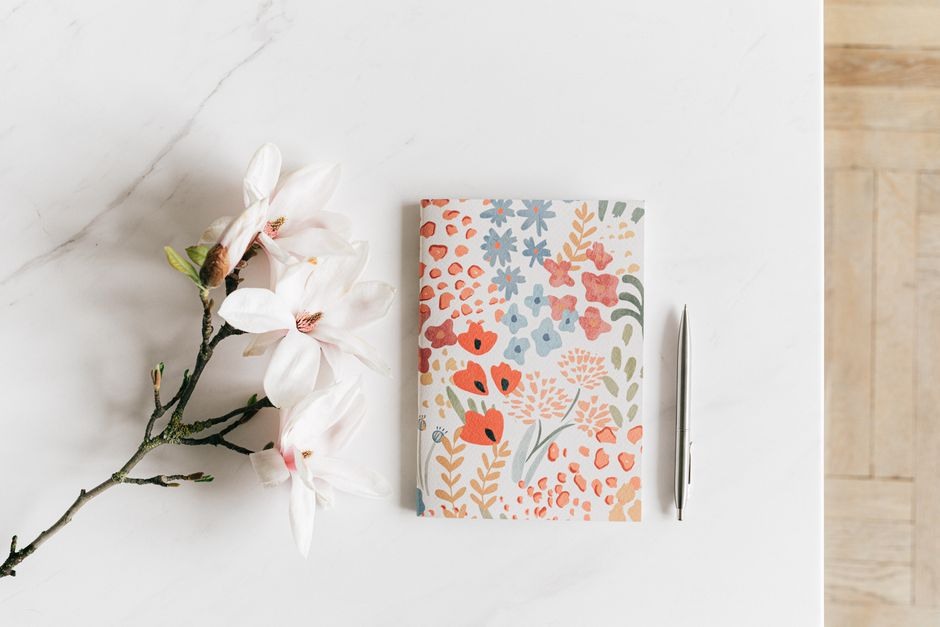
Finishing a good book can create a strange gap between enjoyment and memory. You remember the mood, perhaps a scene or two, but the specific ideas that felt important begin to blur within days. A commonplace notebook offers a gentle way to keep what matters without turning reading into homework.
The method is old, but it does not require a formal system. One notebook is enough. Its purpose is simply to collect fragments worth returning to: a sentence, an image, a question, a surprising fact, a comparison with another book, or a thought that arrived while reading.
Do not try to summarize the whole book
The fastest way to abandon a reading notebook is to make every entry feel like a book report. Instead, write only when something catches. A page can contain one quotation, one line of reaction, and the page number. Another entry might be a paragraph about why a character’s decision felt convincing. Some books may fill several pages; others may leave only a few lines.
This unevenness is useful. The notebook becomes a record of your attention rather than a neutral summary. Months later, you can see not only what a book contained, but what you noticed at the time.
Give each book a small opening block
At the top of a new entry, write the title, author, and the date you started or finished. Add one sentence about why you picked up the book. That small context often becomes surprisingly valuable later. Perhaps it was recommended by a friend, found while travelling, or chosen after reading something on a related subject.
Leave a little space beneath the heading and then let the notes grow naturally. There is no need to reserve a fixed number of pages. If the book becomes important, continue on the next available page and mark the connection in the margin.
Collect four kinds of notes
A useful mix is language, ideas, questions, and connections. Language includes phrases you admire or descriptions that make you stop. Ideas are arguments or observations you may want to remember. Questions capture uncertainty or disagreement. Connections link the book to another text, a place, a conversation, or something in your own experience.
Using these broad types prevents the notebook from becoming only a quotation archive. Your own responses matter just as much as the author’s words. A short note such as “this changes how I read the earlier chapter” can be more useful later than a perfectly copied passage.
Keep the friction low
The notebook should be easier to use than to avoid. Keep it near the place where you usually read. Use the same pen if that removes a decision. If you are reading away from home, mark the page with a small slip of paper or make a quick phone note and transfer it later.
You do not need decorative headings, colour codes, or an index unless those things genuinely help. A plain notebook with legible dates is enough. The value comes from accumulation: twenty brief entries across a year can reveal patterns in what you return to and what you forget.
Revisit rather than merely store
Every few weeks, open the notebook at random and read a page. Add a new thought in the margin if something has changed. You may find that a line you loved now seems less convincing, or that two books separated by months are unexpectedly speaking to each other.
This rereading is where a commonplace notebook becomes more than storage. It turns separate books into an ongoing conversation. The notebook gradually develops its own themes—attention, travel, work, friendship, craft, place—even if you never planned them.
There is no finish line. A commonplace notebook can be tidy or messy, sparse or crowded. Its job is simply to keep a few good things within reach. When a book matters, you no longer have to rely on the vague feeling that you once loved it; you have a trail back to the exact words and thoughts that made you stop.