Folded paper maps arranged as a tactile still life, representing curiosity and careful exploration.

Values

The editorial principles behind Small Hours Journal: clarity, usefulness, curiosity, and respect for context.

Our Core Principles

At Small Hours Journal, our work is guided by clarity, usefulness, curiosity, and respect for context. We favour specific details over exaggerated claims, and practical examples over one-size-fits-all rules. Each article should leave room for the reader’s own circumstances while still offering something concrete to notice, try, or remember.

A photographer pausing at dusk, representing patience, attention, and deliberate observation.

Our Commitment to Accuracy

Clarity begins with getting the details right. We check names, practical steps, and contextual claims, distinguish observation from advice, and revise language that sounds more certain than the subject allows. Our goal is dependable, readable information without unnecessary drama.

Our standards are practical rather than abstract: notice the detail, use the right tool, keep useful systems understandable, and leave room for curiosity. These everyday scenes—from tools and organised spaces to patient observation in nature—reflect the kind of attentive work we want each article to do.

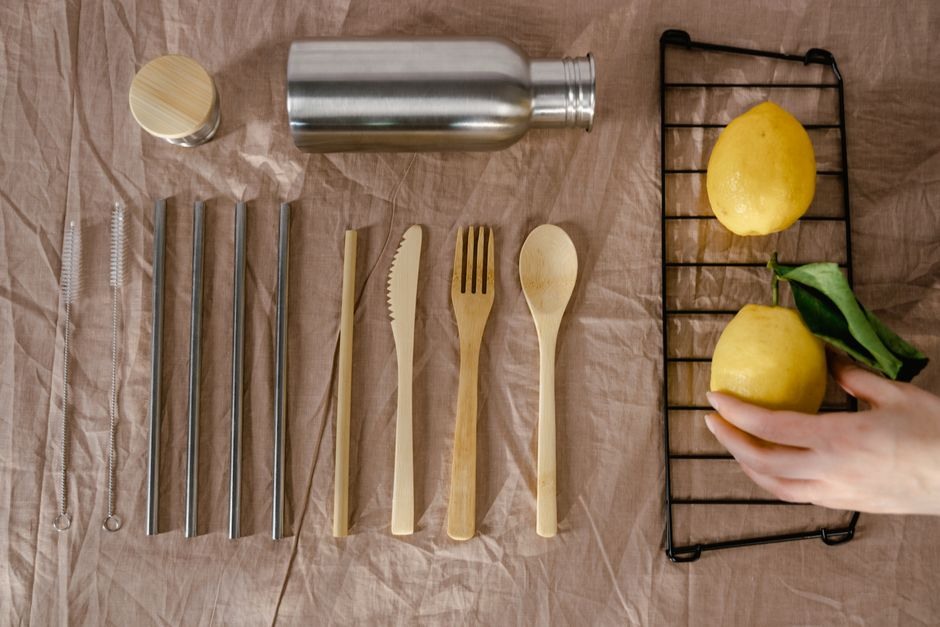
Simple kitchen tools arranged clearly on a work surface.
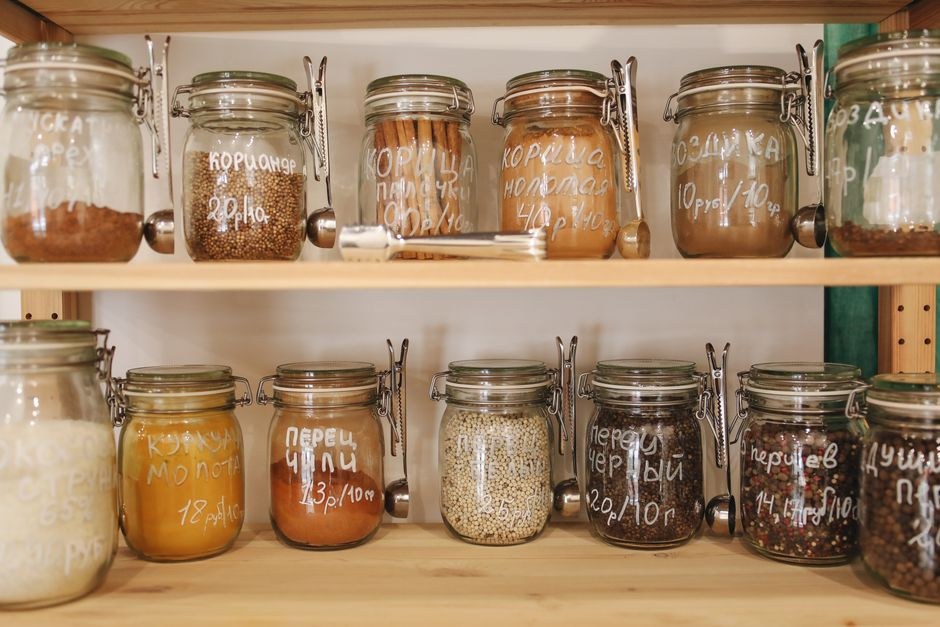
Glass jars of pantry staples arranged neatly on open shelves.
An orderly open wardrobe with clothes and storage arranged clearly.
A crowned crane photographed closely, representing patience and careful observation.
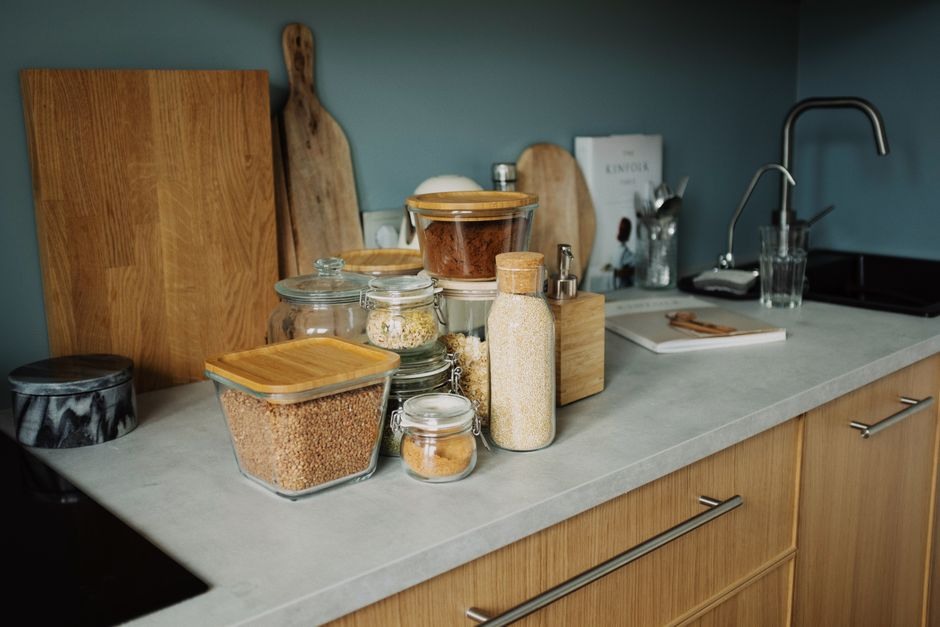
A tidy kitchen counter with everyday ingredients stored in reusable jars.

What Makes Us Useful

Usefulness can be modest. A good article may offer a better way to pack a small bag, a reason to carry a notebook, or a fresh way to look at a familiar street. We treat these ideas as adaptable starting points, not universal formulas, and we prefer practical detail to inflated promises.

Cultural Respect in Our Approach

Curiosity works best when it is paired with context. When we write about places, habits, food, or local customs, we aim to describe rather than flatten them into stereotypes. We value careful language, everyday specificity, and the understanding that a useful observation in one setting may not transfer perfectly to another.